

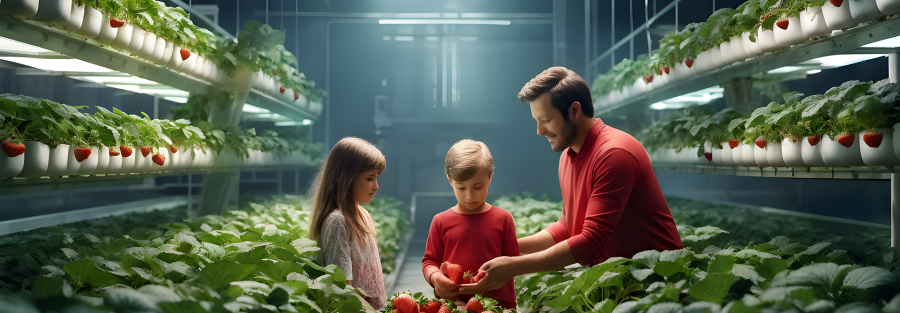
In recent years, theagricultural landscape has been profoundly transformed by the application of technology. Precision agriculture is emerging as a revolutionary approach that optimizes food production efficiency by using data-driven insights and innovative practices. Let’s dive into the overview of precision agriculture practices and tools that are reshaping the industry.
What is Precision Agriculture?
Precision agriculture refers to the use of advanced technologies and methodologies to monitor and manage field variability in crops. By using data collection and analytics, farmers can make informed decisions, reducing waste, increasing yields, and ultimately enhancing sustainability.
Key Practices in Precision Agriculture
1. Data Collection and Analysis
Farmers utilize various data collection methods, including sensors, drones, and satellite imagery. This data helps them understand soil health, moisture levels, crop conditions, and more, enabling precise interventions.
2. Soil and Crop Health Monitoring
Utilizing soil sensors to measure pH, nutrient levels, and moisture content allows farmers to tailor their practices to the specific needs of their crops. This ensures that plants receive the right amount of nutrients and water at the right time.
3. Variable Rate Technology (VRT)
VRT enables farmers to apply inputs—such as fertilizers, pesticides, and water—at varying rates across fields. By customizing these applications based on real-time data, they can reduce costs and minimize their environmental impact.
4. Automated Equipment
Tractors and harvesters equipped with GPS and automated steering systems allow for more efficient planting and harvesting. This technology reduces overlap and decreases fuel consumption.
5. Integrated Pest Management (IPM)
Combining precision agriculture with IPM strategies enables farmers to identify pest issues early and target treatments effectively. This targeted approach reduces pesticide use and enhances overall crop health.
Tools Revolutionizing Precision Agriculture
1. Drones
Drones are increasingly used for aerial surveys and monitoring crop health. They provide high-resolution imagery that identifies areas needing attention, such as irrigation or pest control.
2. Soil Sensors
These devices measure critical soil parameters in real-time, allowing for timely interventions and improved crop productivity.
3. Farm Management Software
Advanced software solutions provide farmers with tools for data analysis, planning, and tracking farm activities. This centralizes information and improves decision-making processes.
4. GPS Technology
GPS technology facilitates precise navigation and mapping of fields, allowing farmers to optimize planting and harvesting schedules effectively.
Benefits of Precision Agriculture
- Improved Efficiency: By leveraging technology, farmers can maximize productivity while using fewer resources.
- Cost Savings: Reducing input waste translates into significant cost savings for farmers.
- Sustainable Practices: Precision agriculture promotes environmentally friendly practices, reducing the impact on ecosystems.
- Higher Yields: Tailoring interventions to specific crop needs leads to better yields and quality.
Conclusion
As the global population continues to grow, the need for efficient and sustainable food production becomes critical. Precision agriculture stands at the forefront of this challenge, offering innovative practices and tools that enhance productivity and reduce environmental impact. By embracing these advancements, farmers can secure a more prosperous future for agriculture worldwide.