

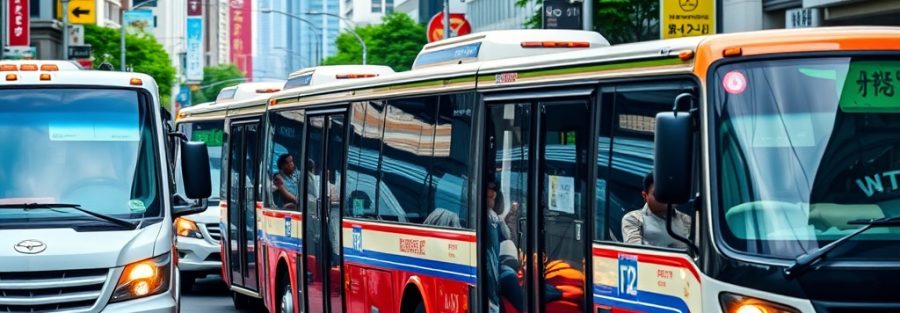
In an increasingly interconnected world, efficient logistics play a crucial role in ensuring that goods and services reach their destinations promptly and reliably. UNCTAD Logistics stands at the forefront of this movement, providing innovative and integrated supply chain solutions that cater to the diverse needs of businesses and individuals alike. In this post, we will explore the specific roles of mini bus transportation, tricycles, and bikes in enhancing logistics efficiency and reliability.
UNCTAD’s Approach to Logistics
UNCTAD (United Nations Conference on Trade and Development) has recognized the importance of seamless logistics as a backbone of economic growth and development. By focusing on various modes of transportation, UNCTAD aims to create a robust logistics framework that supports trade, reduces costs, and enhances accessibility.
Mini Bus Transportation
Mini buses serve as a vital component of urban and rural logistics. They offer several advantages:
- Accessibility: Mini buses can navigate narrow streets and reach areas that larger vehicles cannot. This enhances connectivity to underserved regions, facilitating the movement of goods.
- Cost-Effectiveness: Compared to larger freight carriers, mini buses provide a cost-efficient solution for short-distance deliveries, making them ideal for local businesses.
- Flexibility: The ability to adapt routes based on demand allows for more responsive logistics solutions. Mini buses can quickly adjust to changing delivery needs, ensuring timely service.

Tricycles
Tricycles are increasingly becoming a popular choice for last-mile delivery, especially in congested urban areas. Their benefits include:
- Maneuverability: Tricycles can easily navigate through heavy traffic and tight spaces, making them ideal for urban deliveries.
- Environmental Impact: Many tricycles are electric or use alternative fuels, reducing the carbon footprint associated with transportation.
- Affordability: The lower operational costs of tricycles make them an attractive option for small businesses looking to provide delivery services without hefty investments.
Bikes
Bikes are emerging as a sustainable and efficient mode of transportation for logistics:
- Speed: Bikes can often deliver goods faster than motorized vehicles in congested areas, thanks to their ability to weave through traffic.
- Sustainability: Utilizing bikes reduces greenhouse gas emissions and promotes eco-friendly practices, aligning with global sustainability goals.
- Health Benefits: Promoting bike logistics supports healthier lifestyles for delivery personnel, contributing to overall community well-being.

Integrating Modes for Seamless Logistics
UNCTAD promotes the integration of these various transport modes to create a seamless logistics system. This integration allows for:
- Optimized Routes: By combining mini buses, tricycles, and bikes, logistics providers can create optimal delivery routes that account for traffic, distance, and delivery time.
- Enhanced Customer Experience: Reliable and timely deliveries improve customer satisfaction, fostering loyalty and repeat business.
- Data-Driven Decisions: The integration of technology and data analytics helps in tracking deliveries, managing inventory, and forecasting demand, ultimately leading to more efficient operations.
Conclusion
UNCTAD Logistics is committed to providing comprehensive and integrated supply chain solutions that leverage the strengths of mini buses, tricycles, and bikes. By focusing on these transportation modes, UNCTAD enhances the efficiency, reliability, and sustainability of logistics, benefiting businesses and individuals alike. As we move forward, embracing these innovative solutions will be vital in shaping the future of logistics and trade.